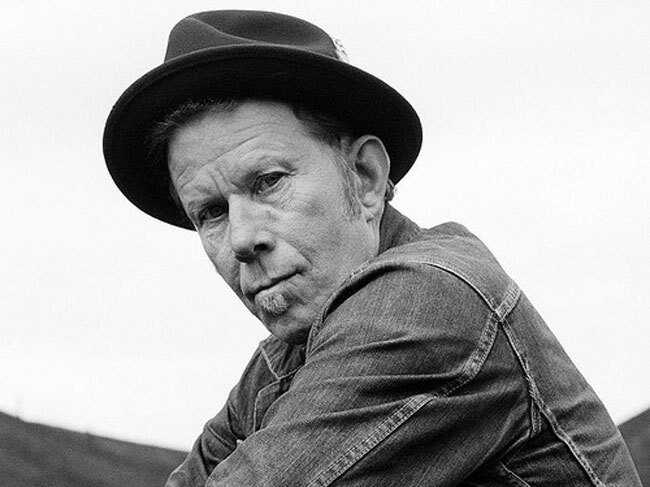
Tom waits for nobody.
This song has been in my brain for a few days, so I figured the best way to purge it is to share it.
I’ve always been a Tom Waits fan–and I do mean since my pre-teen years, when a colleague of my father (father’s? Whatever, carry on) gave him the cassette tape of Frank’s Wild Years as a lark, and I actually ended up loving it in a legitimate way. It’s a weird record, and to the 11-year old girl I was, it helped to structure the young brain that led to my becoming obsessed with The Who’s “Tommy” at age 13.
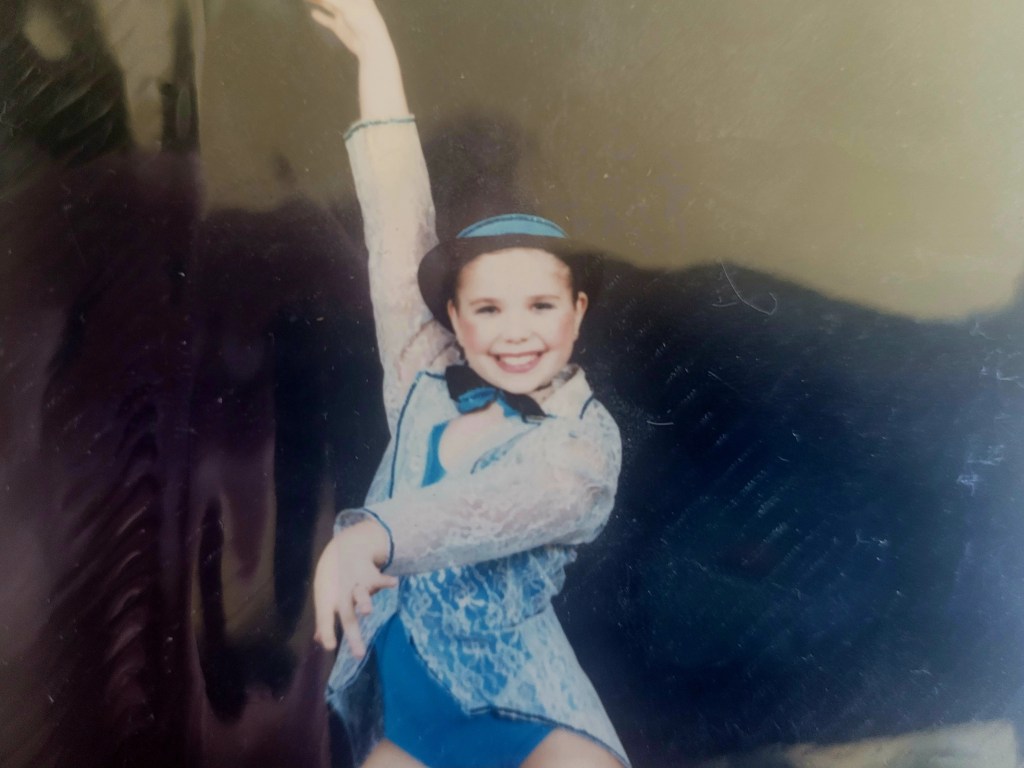
“Tommy” and The Who took me from being that sparkling little kid…

…to this awkward, puberty-raged, rather odd one, within mere days.
Now, I know many of you are on the fence about this guy, Tom W. He’s been called contrived, a genius, reductive, innovative, annoying, inviting, derivative, comforting, and a whole pile of other adjectives that I don’t feel like looking up online.
What I do know is that his music defined a lot of my late teenage years, especially his albums Bone Machine and Closing Time, the latter being an agonizing soundtrack for my first real heartbreak at the age of 19.
I would drive around in my trusty, rusty 1986 white Honda Accord hatchback, mourning the collapse of my first-ever love and relationship with a (stunning, drool-worthy, red-hot) lovely fella named Duncan–our sexy teenage relationship went on for well over two years–blasting Tom’s Closing Time and Liz Phair’s Exile in Guyville. I drove all over Vancouver’s streets–I’m not exaggerating, I hit every boulevard, lane, highway, and road–when not slouching in college for my first semester, desperately hauling on dozens of fat, hand-rolled joints, medicating and obliterating myself at the same time.
“Grapefruit Moon” always had me weeping into the steering wheel within the first thirty seconds, and I still find it extremely difficult to listen to without something very controlled and rigid in me threatening to collapse. I just can’t believe such a very young man wrote that song with everything it evokes, and with how much sincere emotion he poured into its composition and creation and production.
(On the other hand, I am unable to listen to Liz Phair anymore, because I read her nonfiction book “Horror Stories” a few years ago, which had absolutely nothing to do with her music and everything to do with her savage arrogance and sky-high sense of self-importance and ego. It was a dastardly letdown. “Separate the art from the artist,” they say. Absolutely not, I say in return.)
Tom Waits took an enormous deal of inspiration from Captain Beefheart thanks to the influence of his wife, Kathleen Brennan, a Beefheart fan and script supervisor he allegedly met on the set of “Paradise Alley.” Incidentally, Tom has had a few stints in acting that have been pretty great, if not lacking in range. However, as I always say: a cheque is a cheque. If Tom happily agrees to appear onscreen playing various versions of his musical persona (gruff, eccentric, sappy, funny, inscrutable), then he’s done all of his jobs well, yes?
Prior to meeting Kathleen, he was all manner of beret-wearing, jazzed-out, hooch-abusing, smoky-bar hepcat with Rickie Lee Jones, who apparently had a complete mental breakdown and had to move back in with her mother after Waits called it off with her.
How, and why, do I know these things?
I listened to Rain Dogs quite a bit during the 90s, and one track always stood out to me among all of the experimental, catchy, unusual tunes he wrote for that album; the number of films that have used Jockey Full of Bourbon in either the opening credits or some montage escapes me, but let’s just say that Tom did quite well with this 1985 release, and I’m way past happy for him that he did. Rain Dogs was doing its wonderful thing smack-dab in the middle of an era in which this was also catching people’s attention:
Okay, sure, tuneless songs and very tasteless videos about being splattered with a man’s semen weren’t quite topping the charts–although the 80s were hands-down terrific for embracing every last doggone genre of music and making hits of them–but it wasn’t exactly a decade known for promoting genuinely idiosyncratic artists like, well, Tom Waits. You sort of had to be there; the 1980s were completely confounding in both the best and worst ways you can only imagine.
At any rate, Rain Dogs is a very pleasing (though sometimes tiring) sonic adventure and never gets boring, but one particular song always leaped out at me: the one that’s been trapped in my head this week.
It just never seemed to fit this record: it’s far too short, it’s oddly simple contrasted with the whole expanse of music otherwise presented on the record, it seems to be from a completely different place and time altogether, it’s very beautiful and compact and uncomplicated, Tom sings with more raw, vulnerable feeling than he does on any other track, and it’s always been enough to send me into places occupied by organic sadness and pure gratitude: it both breaks me down and reminds me of the very, very few good decisions I’ve made that saved my life. Years and years later, this song still does it for me.
Hang down your head for sorrow. Hang down your head, Marie.
Love
Nadya
 verainvancouver@gmail.com
Leave a comment